

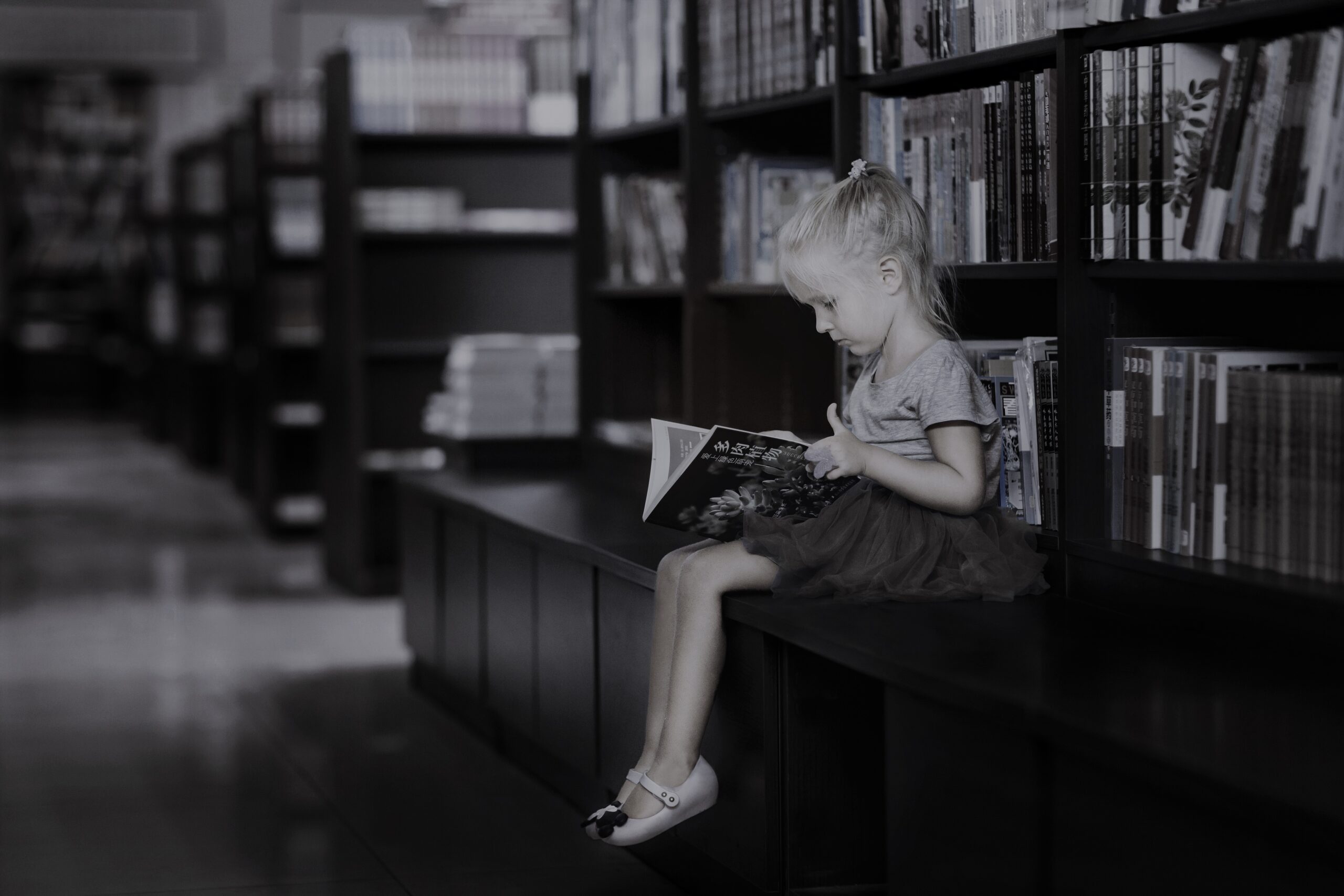

Last week, as the result of a survey conducted by The Royal Foundation, the Duchess of Cambridge highlighted the importance of early childhood experiences.
The UK study, which is the largest ever run, revealed that only 1 in 4 parents understand the critical importance of nurture in early childhood. The Duchess of Cambridge revealed the consequences of poor care during the first five years, can later result in family breakdown, depression, addiction and homelessness.
The study showed that the vast majority of respondents (90%), strongly agree that the mental health and wellbeing of parents and carers has a great impact on the development and mental health of their child(ren). Whilst there’s growing awareness around mental health in adults, it’s long been reported that mental health issues in children are also on the rise.
It’s recorded that 10% of all children have a diagnosable mental health condition – that’s three in every classroom – and half of all mental illnesses start before a child is 15.
What can we do about it?
The good news is that there’s plenty of evidence that reading and writing has a strong impact on wellbeing, and children who regularly read and write outside of school are three times more likely to have high levels of mental wellbeing than those who are less engaged with literacy.
As adults we know and understand the pleasure of losing ourselves in a good book and escaping from the world for a short while, and children too can benefit from the sense of escapism that reading brings.
In 2018, A survey by the National Literacy Trust, revealed that children who read and write for pleasure are better able to develop the emotional literacy skills that they need to take control of situations where they might feel vulnerable. Reading broadens their vocabulary so they can express their feelings more accurately, while writing – whether that’s stories, poems, a diary or even notes to friends – gives them an outlet for their emotions.
In summary, the study found that children who have a low verbal ability tend to have poorer mental health than children with a high verbal ability.
Being able to read and write well means that children can make sense of how they’re feeling, express their thoughts and emotions, and seek support. It can also help to increase their self-confidence and self-awareness, and foster an interest in learning and understanding other points of view.
The link between literacy and mental wellbeing is particularly strong in primary school children aged eight to 11. The National Literacy Trust’s research showed that as children move on to secondary school, their enjoyment of reading starts to diminish – and that coincides with a downward trend in their mental health.
Reading can help your child with their emotions
Any sort of reading is good for wellbeing, giving kids time-out from their busy, tech-centred lives and helping them to relax and unwind. Fiction, comics, poetry and picture books all have a place in improving children’s mental wellbeing.
There are lots of brilliant fiction books that weave in mental health messages as part of the storyline, but non-fiction can be great, too. For younger children, picture books can provide a great way to talk about difficult topics, and they can even be useful to older children as they can tackle sensitive topics in a simple, clear way.
However, books don’t have to have an overriding mental health theme to benefit your child. Reading a funny book will make them laugh and feel happier, while audiobooks are great for enjoying stories and still gaining all the associated benefits.
Continuing to share books together brings many additional benefits, including fostering closeness and conversation and developing empathy and listening skills. All of these can have a knock-on effect on their mental health.
Books that can benefit your child and their mental wellbeing
The National Literacy Trust has a comprehensive list of children’s books that promote mental wellbeing. Below are just some of the best books for different age ranges and needs:
Can I Join Your Club? By John Kelly and Steph Laberis (Age: 0 to 3)
A heart-warming story which celebrates the importance of diversity and friendship. Perfect for little ones who are learning to make friends at a new school or nursery.
Pass It On By Sophy Henn (Age: 3 to 5)
A joyful and uplifting picture book about finding happiness in the smallest of things. Here’s a fun idea: when you laugh or smile – pass it on!
Charlie Star By Terry Milne (Age: 5 to 8)
This book addresses the issue of anxiety in a light-hearted and reassuring way. Charlie is an anxious dachshund who worries that something terrible might happen if he doesn’t keep to his daily rituals. After he is called upon to help rescue a friend and, in the rush, forgets his rituals, Charlie discovers that he doesn’t have to be ruled by them and that change can have really positive outcomes.
The Land of Neverendings By Kate Saunders (Age: 9-12)
Moving, raw and funny in all the right ways, The Land of Neverendings is a rip-roaring adventure, but it also gives an honest portrayal of grief for young readers. The book shows that whilst sadness does exist in the world, it doesn’t have to cancel out happiness, or silliness, even when you lose someone you love.